
Roll the dice. Land on a picture. Build a sentence.
Every roll gives learners a new opportunity to practice who is doing what and what they’re doing it to — using pictures that keep changing.
Start free with pictures of people eating and drinking. Upgrade when you’re ready for 1,000+ pictures.
Designed for
- Parents
- Pre-K Educators
- Elementary Educators
- Special Educators
- Deaf Educators
- TESOL Educators
- SLPs
- BCBAs
- Other related professionals
One simple idea. Languages around the world.
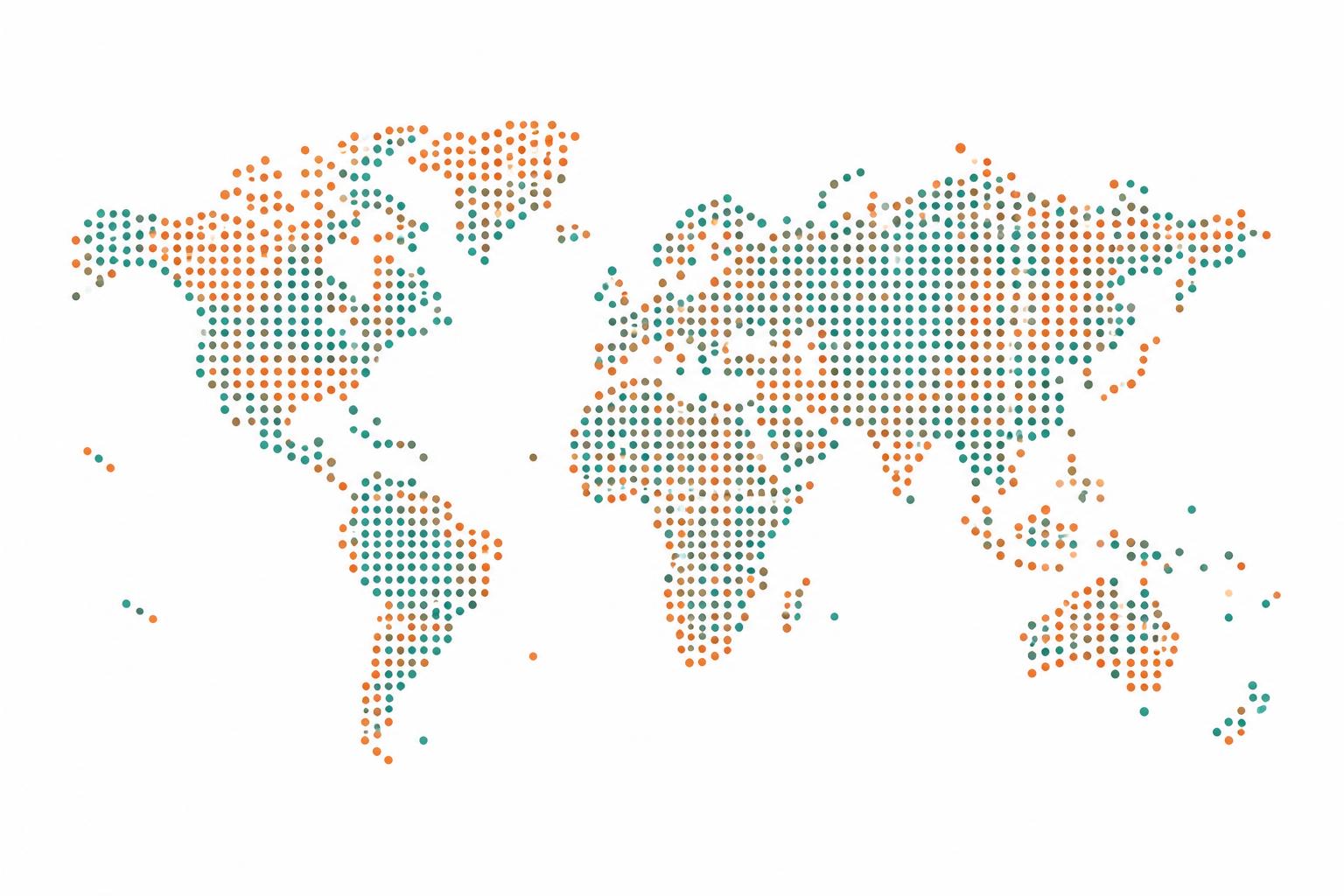
Sentences can be built from three powerful pieces: who, what they’re doing, and what they’re doing it to.
That’s the idea behind SVO — a simple language framework with applications across languages and learners.
We’re adding languages one at a time, with each one carefully reviewed before it goes live.
1,000+
Pictures
Dynamic combinations. Meaningful communication. More opportunities to generate language.
More than one way to practice the same action
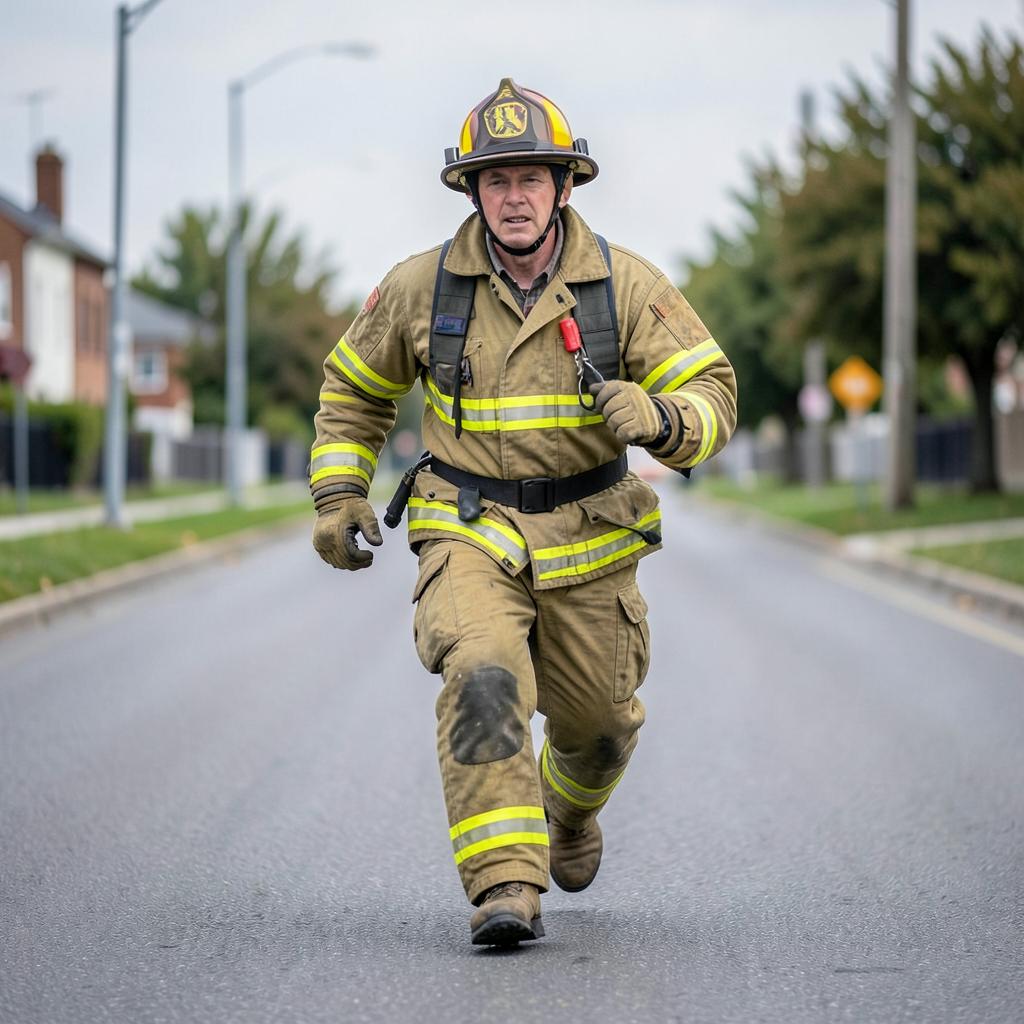
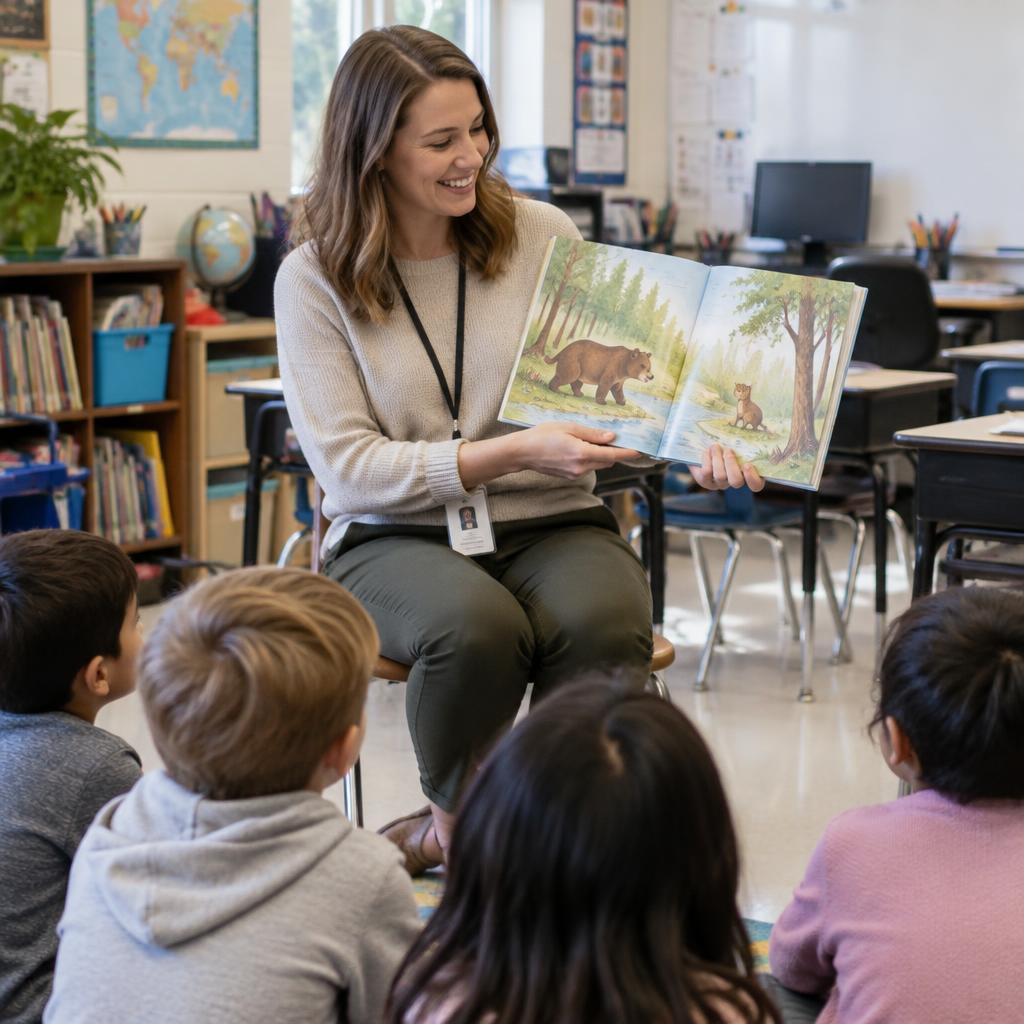
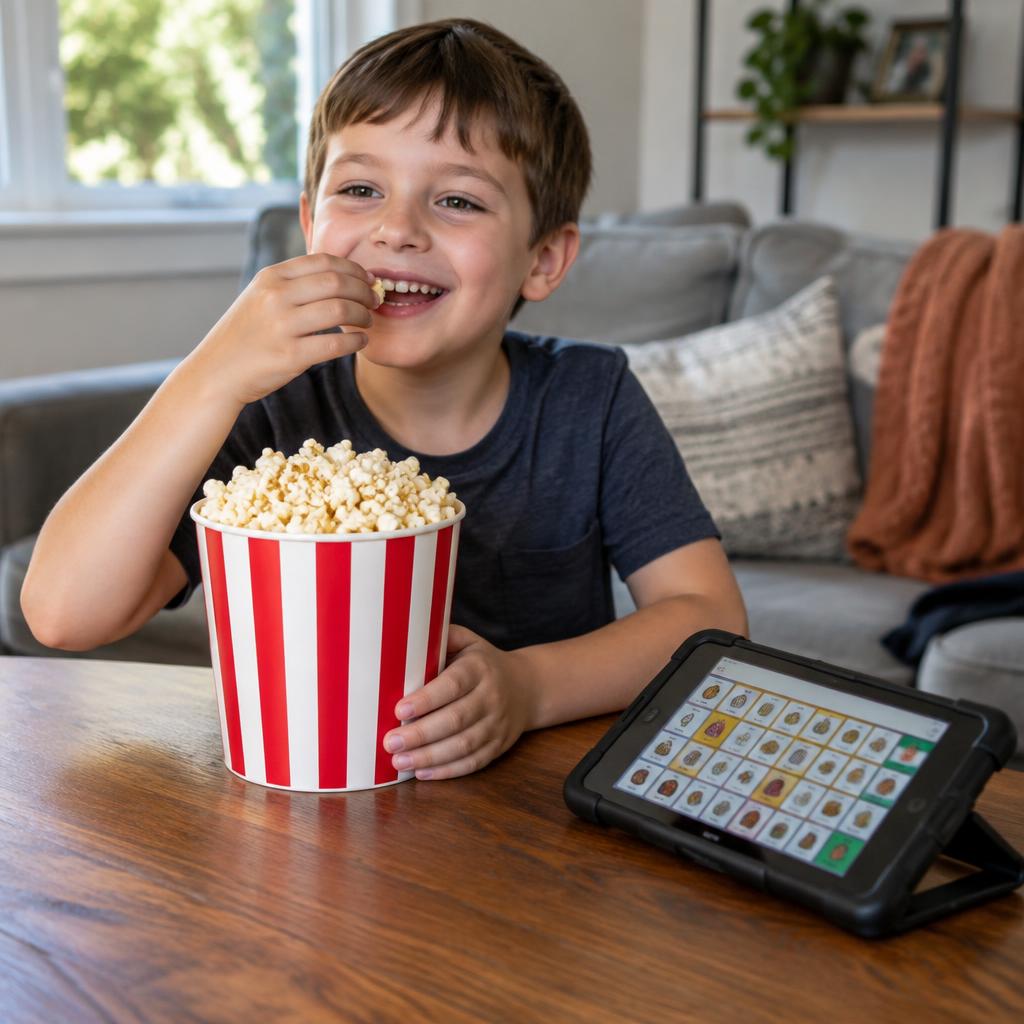
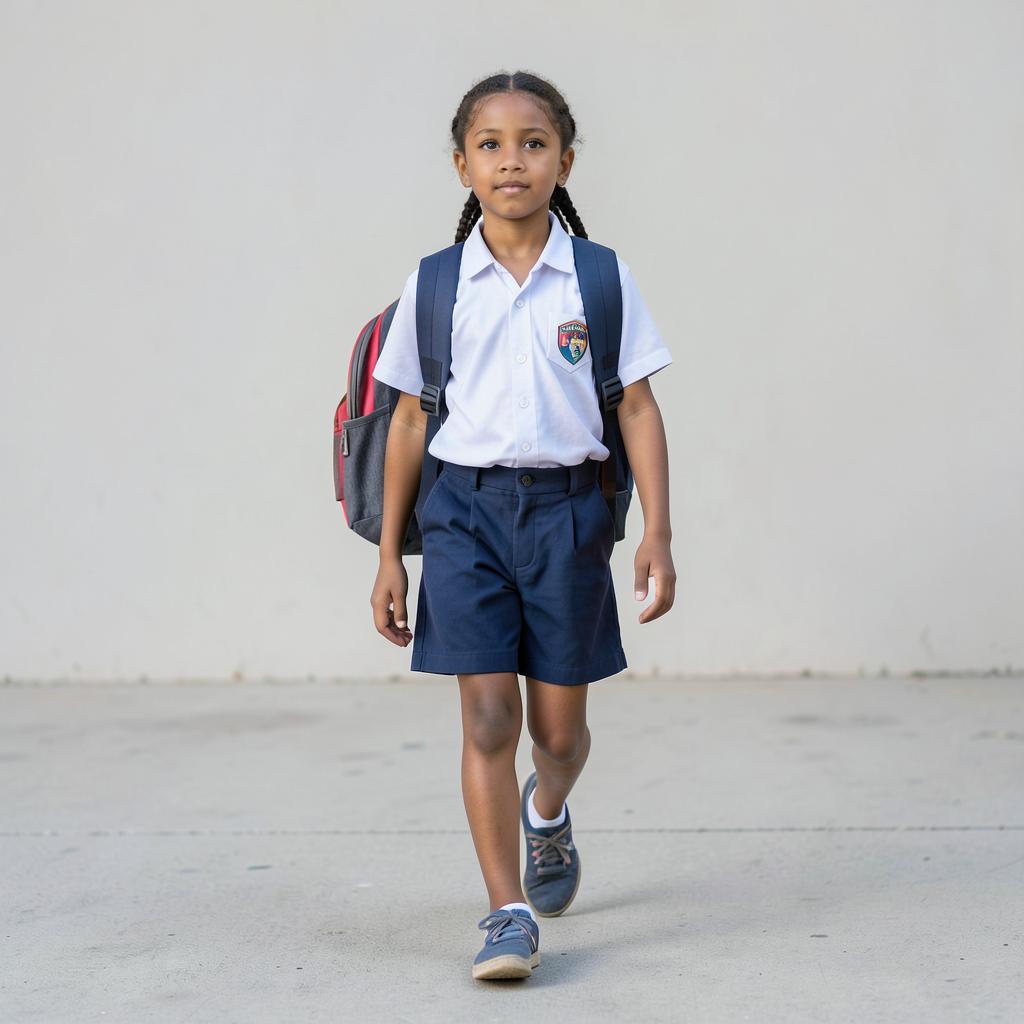
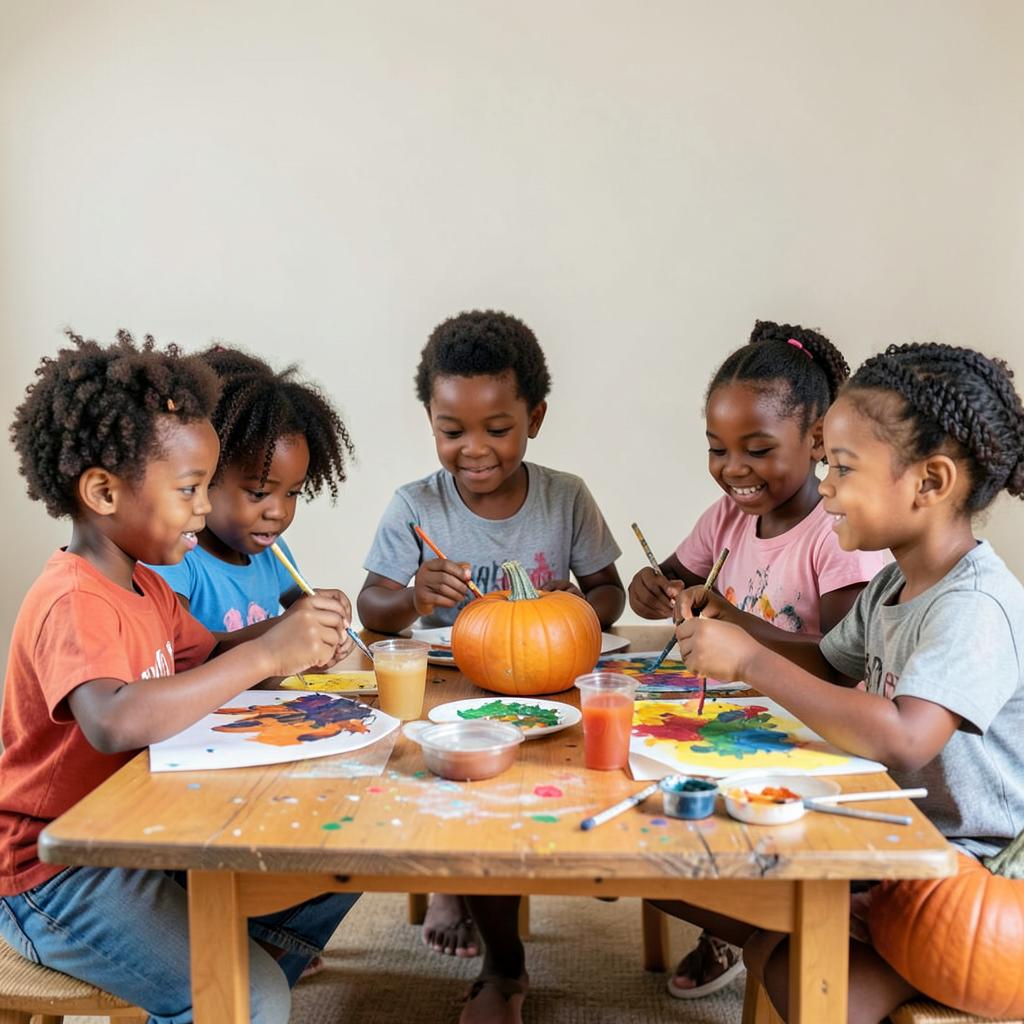
A variety of pictures for each verb features children, adults, people at work, and animals in inclusive, everyday settings — helping learners recognize and use an action across different people and situations, rather than memorizing one picture.
The people, animals, actions, and objects keep changing, so learners aren’t just memorizing one sentence. They’re learning to use the skill in new combinations — naturally and without even realizing it.
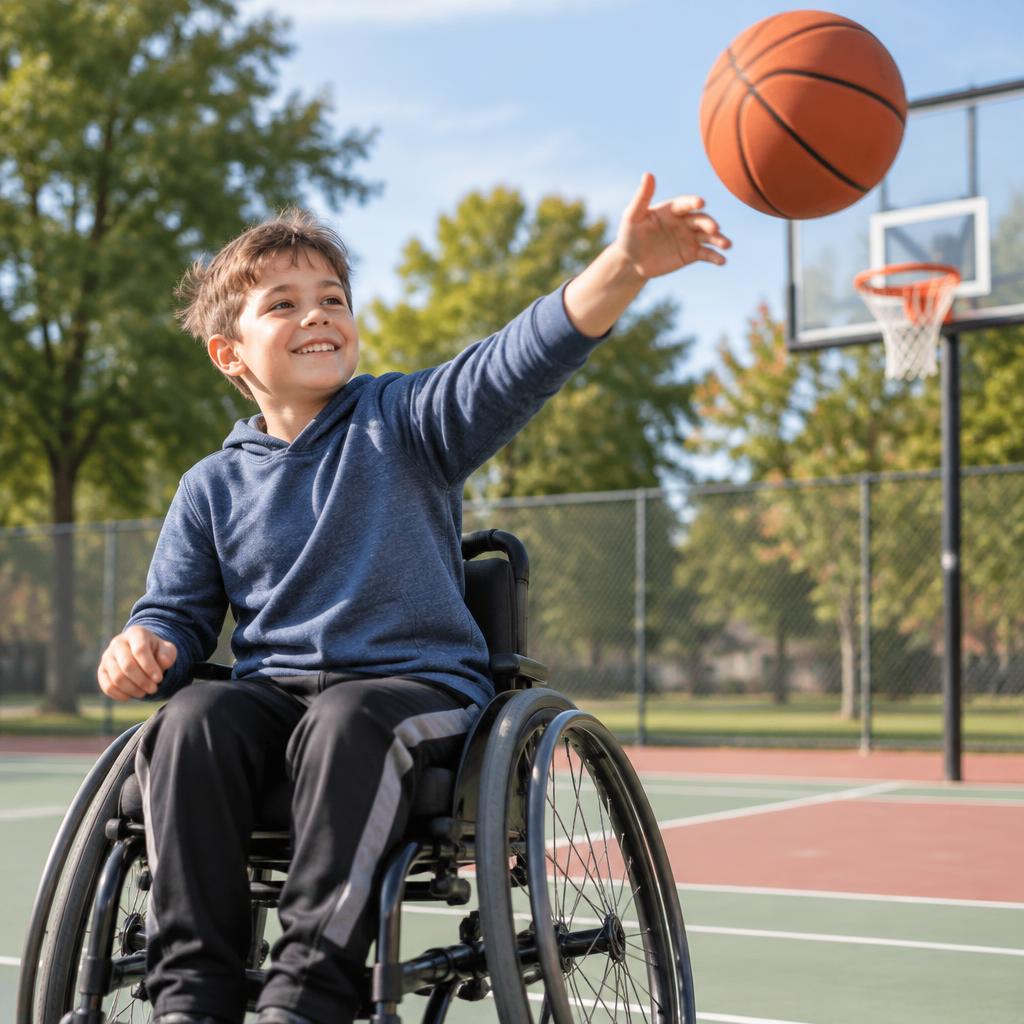

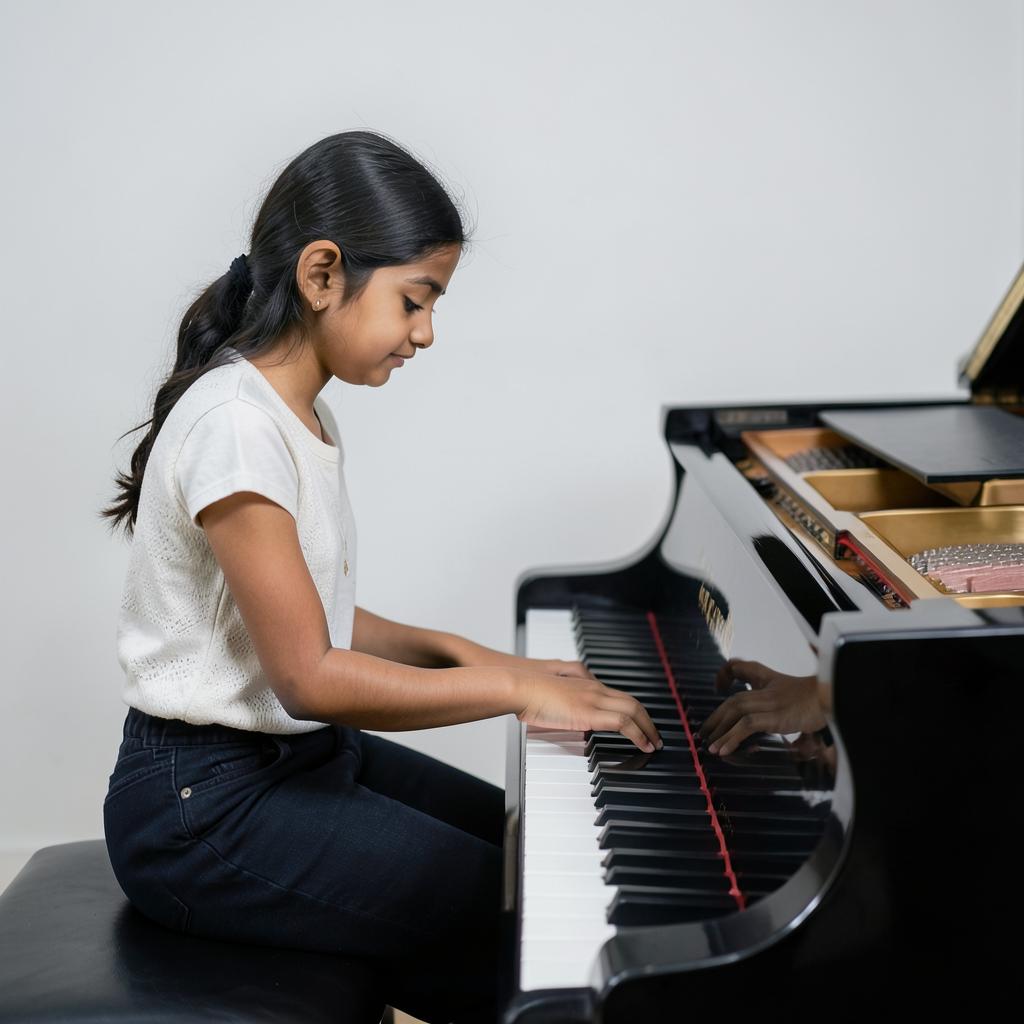



Start simple. Build from there.
The free version includes pictures featuring the verbs eat and drink, giving learners a clear starting point for building meaningful sentences. Each picture provides opportunities to practice who or what, what is happening, and the information that completes the idea.
The same picture can support learners at different stages of language development — from AAC and early language users to learners speaking in complete sentences.
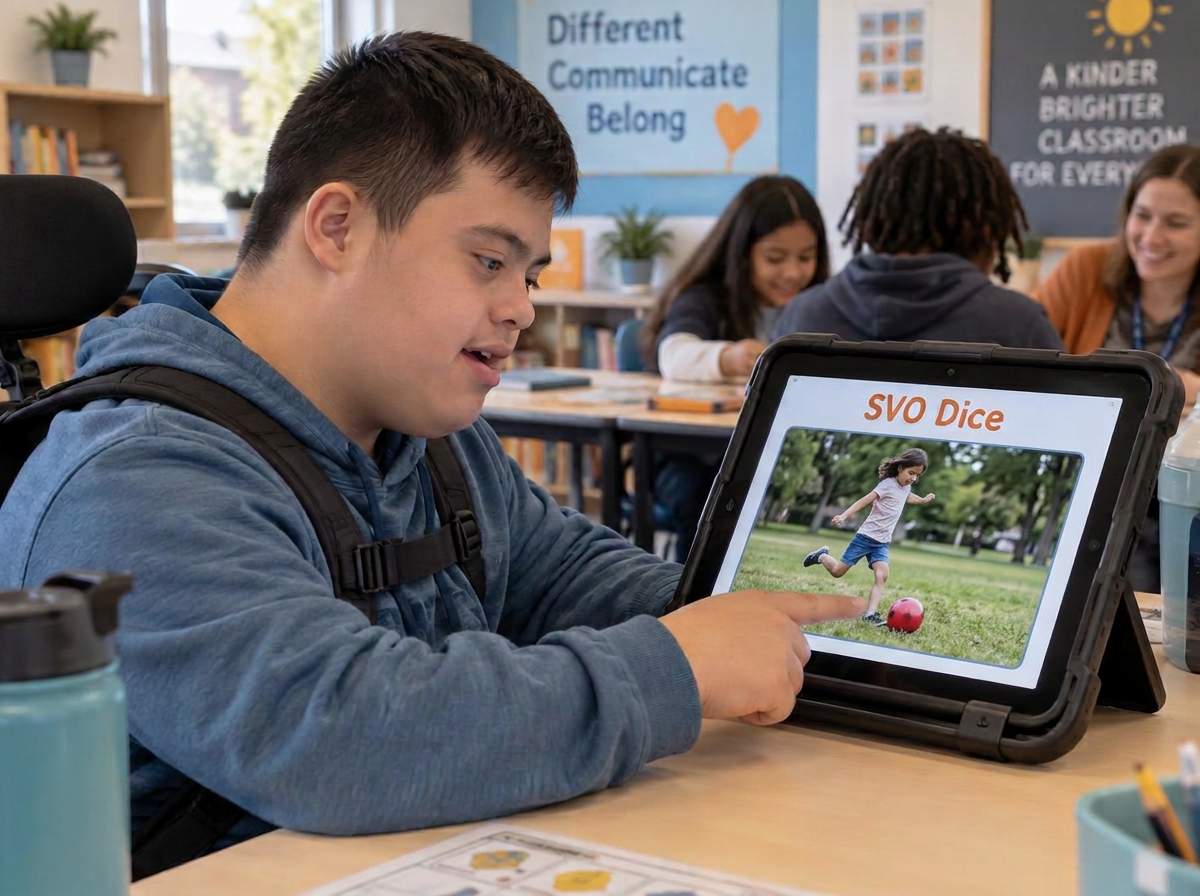
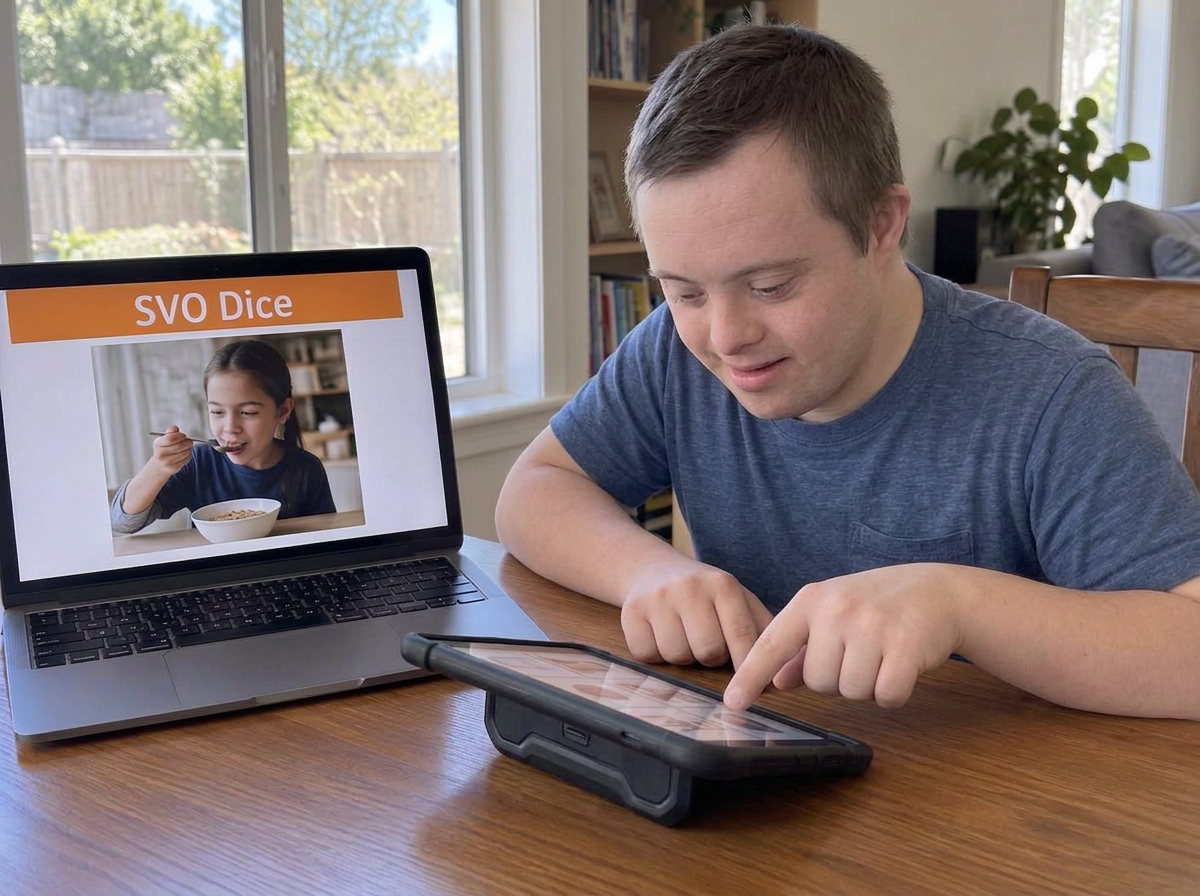
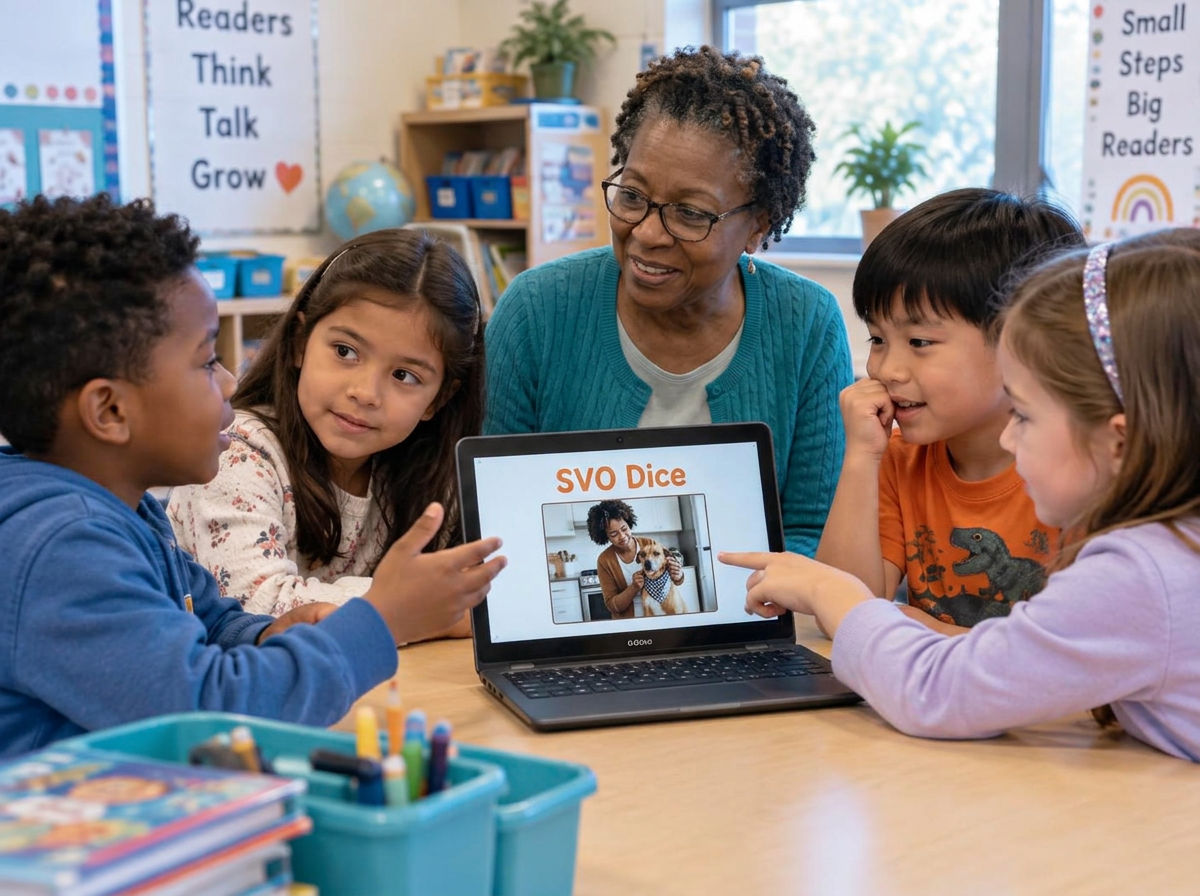
Every picture tells a whole story
Every picture shows who or what, what is happening, and the information that completes the idea — giving your learner something meaningful to see, talk about, and turn into a sentence.
Accept the short form or build the full sentence, depending on the learner:
- Teacher reads bookThe teacher is reading a book.
- Firefighter sprays waterThe firefighter is spraying water.
- Dog catches ballThe dog is catching a ball.
Learners also practice people words such as boy, girl, woman, man, women, men, he, she, it, and they, alongside people at work, animals, and a growing range of everyday verbs.
The picture changes. The skill stays.
As the people, animals, actions, and objects change, learners practice using what they know in new combinations — rather than memorizing a single picture or sentence.
With every new combination, learners have another opportunity to use the same language skill in a new way — building flexibility and helping the skill carry over beyond one picture.